


St. Johns County Celebrates Record-Breaking 2026 Sea Turtle Nesting Season
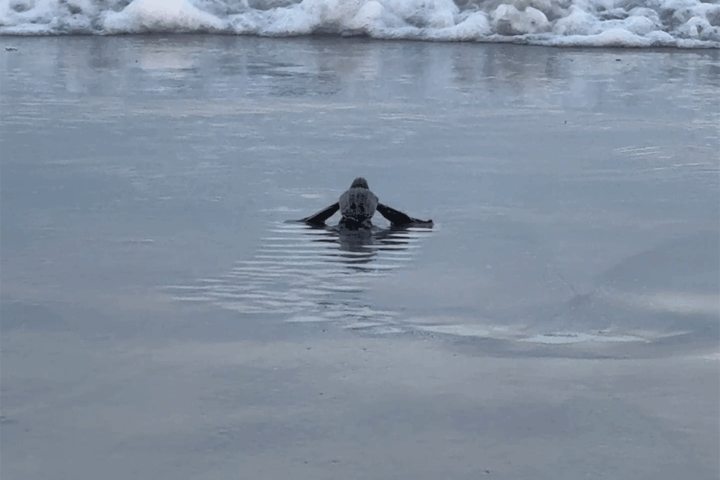
Over 1,400 sea turtle nests were laid on our beaches between May 1 and October 31
Sea turtle nesting season was a runaway success in 2026, with the migrating reptiles laying a record-breaking 1,483 nests on St. Johns County beaches, according to preliminary estimates from the Habitat Conservation Plan team. The Office of Public Affairs produced a video recapping the season’s encouraging numbers.
The previous record of 1,205 nests was set in 2023. Based on nest evaluations, over 110,000 hatchlings emerged in 2026, another broken record.
“Hopefully most of them made it, hopefully they’re out there still thriving, and maybe decades from now they’ll return to our beautiful beaches to lay their own nests,” said Ashley Raybould, St. Johns County Environmental Supervisor.
Most nests on St. Johns County beaches were laid by the endangered loggerhead sea turtles. Many others were laid by leatherbacks and green sea turtles, and there was one confirmed nest laid by a Kemp’s ridley sea turtle, the rarest and most endangered sea turtle in the world.
Extra work had to be done to protect the nearly 250 nests laid within sections of the coastline where driving is permitted. Ten 20-person groups of Florida Fish and Wildlife Conservation Commission volunteers helped monitor sea turtle nests within St. Johns County.
“We work with the FWC volunteers to mark the nests off a little bit more visibly than we do on other beaches, and then we also had a team of 11 staff this year rake the tire ruts in front of those nests that were about to hatch,” said Raybould.
The precautions taken to maximize protections for the turtles during nesting season come from the County’s Habitat Conservation Plan, which is designed to protect federally listed endangered species while supporting the public use and enjoyment of our beaches.
“Sea turtles need healthy dune systems to be able to lay their nests,” said Raybould. “The fact that we have such healthy beaches here in St. Johns County certainly helps.”
Raybould also emphasized the importance of long-term planning in conservation efforts: It can take up to 30 years for a sea turtle to reach sexual maturity, so the current increase in sea turtle populations can be partly attributed to regulations put in place over three decades ago.
Even between sea turtle nesting seasons, remember to keep our beaches clean. Take home any equipment or toys you bring to the beach, throw out trash in the designated bins, and stay out of the dunes to keep them in peak condition.
Stay informed of more St. Johns County news by subscribing to our e-newsletters and learn how we’re shaping our community’s future by advancing the SJC Strategic Plan through the Office of Public Affairs.
Share:


