


Animal Resources

Our main goals and responsibilities are to return lost pets to their owners and adopt animals that don’t have a home.
Animal Rescues
-
S.A.F.E. Pet Rescue Northeast Florida

-
Frisky Cat Cafe
-
Cat Paws Sanctuary
-
Feline Fairies
-
Jax Humane
-
Wags & Whiskers
-
Swamp Haven Rescue
-
Husky Haven of Florida
-
Papillon Pals
-
Pet Rescue North, Inc.
-
G.R.E.A.T Rescue
-
Fawn’s Small Dog Rescue
-
K9’s for Warriors
-
Luna’s Legacy
-
The Animal Rescue & Adoption Agency
-
Golden Retriever Assistance Team
-
German Shepherd Rescue
-
B’s Furry Friends Rescue
-
Feline Canopy of Care
-
Ayla’s Acres
Animal Welfare Organizations
-
Friends of the Pet Center
-
The Shelter Pet Project
-
Animal Poison Control Center
-
Humane Society U.S. Headquarters
-
Humane Association of Wildlife Care & Education
-
American Society for the Prevention of Cruelty to Animals
-
American Federation of Aviculture
-
St. Augustine Regional Veterinary Emergency Center
-
Animal Friend License Plate
Is Your Pet Ready?
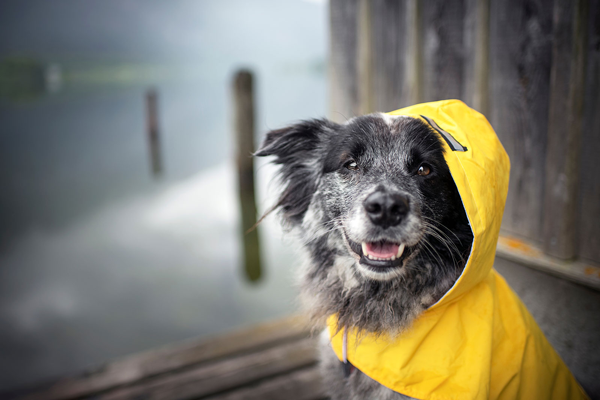
Prepare a Disaster Supply Kit for Your Pet
Your Disaster Kits should be in easy-to-carry waterproof containers and stored in an accessible location. Prepare ahead of time to keep you and your pets safe.
Pet Disaster Kit Checklist
Pet Disaster Kit Checklist
- Your written family / pet disaster plan
- Crate / carrier and bedding
- Food, water, manual can opener and dishes
- Plastic bags, paper towels, newspaper (when shredded, can be used as cat litter)
- Cleaning supplies, disinfectants
- Collar, leash, harness
- Muzzle, gauze rolls
- Identification tags
- Current medical and vaccination records
- Extra bottles of daily medications or copies of prescriptions with current expiration dates
- Current photos of you and your pet(s) together
- Pet comfort items: towels, blankets, toys
- A list of hotels, motels and boarding kennels that accept pets
- Detailed instructions for animal care and rescue workers
- First aid kit for your pet(s)
- Flashlights, batteries
- Flat tire repair kit
- Out-of-state telephone contact number
- Label all pet supplies with your name, address and telephone number
Evacuating Pets
Please note: when evacuating with pets to a pet-friendly shelter, upon check-in your pet will be placed in a designated area for animals. You will have designated times to visit with your pets.
Only dogs, cats, rabbits, birds and pocket pets are allowed at pet-friendly shelters. Ensure your pet is prepared to evacuate by making them a disaster supply kit.
Identification, medical records, and proof of ownership is important for all types of pets.
Evacuating Other Types of Pets
Individuals needing to evacuate any exotic pets, farm animals or wildlife will need to arrange alternative sheltering plans.
Transporting your pet may require special attention and care to decrease chances of stress-induced illness and death. Keep pets from different sources as separated as possible and maintain hygiene to decrease the transmission of disease.
Exotics pets (primates, snakes, spiders, insects, etc.) are NOT permitted at shelters.
Birds
- It is best to transport pet birds in small, secure, covered carriers to prevent injury.
- If traveling in cold weather, always warm the interior of your vehicle before moving your bird(s) from the house to the vehicle.
- Transfer your bird(s) to a standard cage after arrival at your evacuation destination, transfer to cage in enclosed room to reduce the risk of escape. Covering the cage may reduce stress.
- Birds should be kept in quiet areas and not allowed out of the cage in unfamiliar surroundings.
- Fresh food and water should be provided daily.
- In your kit you should also include the following:
- any necessary dietery supplements
- plant mister for cooling birds in hot weather
- hot water bottle for warming birds in cold weather
- supplies to line the bottom of the cage
- toys
Reptiles
Remember when making your evacuation plan that “Exotics” are not allowed in evacuation shelters.
- Transport of small reptiles can be accomplished using a pillowcase, cloth sack, or small carrier.
- If possible, promote defecation before transporting the animal.
- Transfer your pet to a secure cage as soon as possible after arrival at your evacuation destination.
- In your kit you should also include the following:
- essential dietary supplements
- water bowl for soaking
- spray bottle for misting
- extra bags or newspapers
- heating pad
- battery-operated heating source / other heat source
- extra batteries
- appropriate handling gloves / supplies
- Since most reptiles don’t eat daily, feeding during evacuation may increase stress. Determine if feeding is in the animal’s best interest, especially if the container may become fouled.
- Housing at your evacuation destination should be consistent with that required by the reptile. The enclosure should, if possible, be placed in a controlled environment, away from areas of heavy traffic, loud noises, and vibrations.
- Make sure the container housing the reptile is escape-proof.
Amphibians
- Transportation of amphibians can be accomplished by using watertight plastic bags, like ones used for pet fish transport, or plastic containers, such as plastic shoeboxes or plastic food containers with snap-on lids.
- It’s best to place only one species, or if possible only one animal, per container.
- Small ventilation holes should be placed in the upper wall or plastic lid. Smooth the inner surface of the holes with a file or sandpaper to prevent injury to the animal.
- For terrestrial or semi-aquatic amphibians, use a tiny amount of water, or moistened paper towels, clean foam rubber, or moss as a suitable substrate (material used on the bottom).
- For aquatic species, fill plastic bag one third full of water, then inflate bag with fresh air and close with a knot or rubber band. It is best to use clean water from the animal’s enclosure to minimize stress.
- Monitor water and air temperature, humidity, lighting, and nutrition during your pet’s evacuation stay.
- Housing at your evacuation destination should be consistent with that required by the amphibian. The enclosure should, if possible, be placed in a controlled environment, away from areas of heavy traffic, loud noises, and vibrations.
- Make sure that the container housing the amphibian is escape-proof.
- Take extra water, clean moist paper towels or clean moss in case your containers break or leak.
- Feeding during evacuation may increase stress. Determine if feeding is in the animal’s best interest, especially if the container may become fouled.
Small Pets
- Transportation of most small mammals (ferrets, hamsters, gerbils, rats, mice, guinea pigs, etc.) is best accomplished using a secure, covered carrier or cage to reduce stress.
- In your kit you should also include the following:
- necessary dietary supplements
- extra bedding materials
- appropriate exercise equipment
Pet Safety Resources
Spay and Neuter Resources
Does your clinic offer low cost spay / neuter services?
If your veterinarian clinic offers low cost spay and neuter services and you would like to be added to this page, please contact us at (904)-209-6190.




Email: pstudivant@sjcfl.us
Pet Center: (904) 209-6190
Animal Control: (904) 209-0746
130 North Stratton RoadSt. Augustine, FL 32095

Tuesday - Friday: 9am-4:30pm
Saturday: 9am-4pm