


Residents Urged to Prepare as 2026 Atlantic Hurricane Season Begins
- 5 June 2026
- Category: Public Safety SJC News
- Tags: 2026
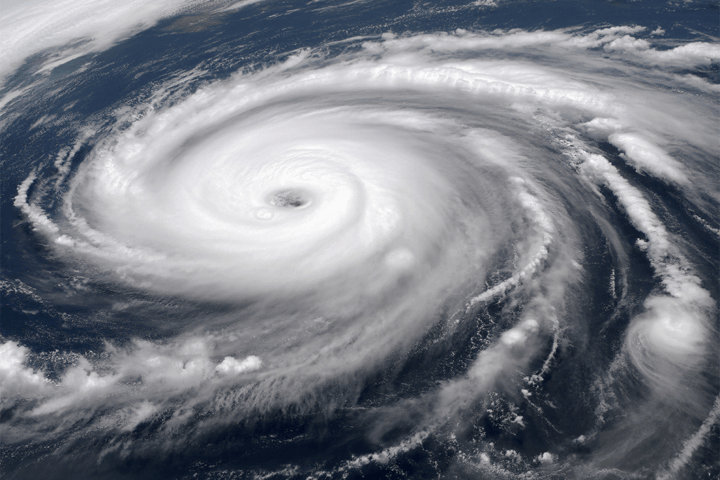
Emergency Management highlights simple steps to protect lives and property ahead of potential storms
Key Points
- Prepare Early to Stay Safe: The 2026 Atlantic Hurricane Season is underway (June 1–Nov. 30), and taking action now—before a storm forms—can significantly improve safety and recovery outcomes for your household.
- Follow the Three Key Steps: Know Your Zone (understand evacuation risks), Have a Plan (routes, shelter, communication), and Build a Kit (water, food, medications, and essentials) to ensure you’re ready to act quickly.
- Stay Informed and Connected: Sign up for Alert St. Johns, monitor official Emergency Management updates, and use available tools and guides to receive real-time information and make informed decisions during severe weather.
The Atlantic Hurricane Season officially began on June 1, and St. Johns County Emergency Management is urging all residents to take proactive steps now to prepare for potential storms and protect their families. On May 28, St. Johns County Emergency Management conducted its annual hurricane preparedness exercise at its Emergency Operations Center (EOC), which the Office of Public Affairs captured on video.
The Atlantic Hurricane Season runs from June 1 through November 30 each year, bringing the potential for dangerous weather, including high winds, heavy rainfall, flooding, and storm surge.
Preparedness remains the most important action residents can take before a storm threatens the area. Taking time now to understand risks, make a plan, and build a supply kit can make a significant difference in safety and recovery outcomes.
St. Johns County Emergency Management encourages residents to follow three key preparedness steps:
- Know Your Zone: Determine whether your home is in an evacuation zone and understand your risk from storm surge and flooding.
- Have a Plan: Develop a family emergency plan that includes evacuation routes, shelter options, and communication strategies.
- Build a Hurricane Supply Kit (PDF): Assemble essential supplies, including water, nonperishable food, medications, flashlights, batteries, and important documents.
Residents are also encouraged to sign up for emergency alerts through Alert St. Johns and follow St. Johns County Emergency Management on Facebook for real-time updates during severe weather events.
Emergency preparedness resources, evacuation information, and tools such as the “My Evacuation Zone” lookup are available at sjcemergencymanagement.com. The St. Johns County Hurricane Preparedness Guide (PDF) is available online and printed copies are available at St. Johns County Public Library System branches.
Emergency Management officials emphasize that hurricanes can impact both coastal and inland areas, and it only takes one storm to significantly affect a community. Preparing before a storm develops ensures residents are ready to act quickly and safely when needed.
For a behind-the-scenes look at EOC preparations, watch this video with Emergency Management Deputy Director Kelly Wilson. To learn more about the St. Johns County EOC, watch Inside SJC: EOC After Dark, Emergency Operations Staff Work Around the Clock, part of the award-winning Inside SJC video series.
Follow St. Johns County Emergency Management on Facebook for updates throughout the hurricane season.
Stay informed of more St. Johns County news by subscribing to our e-newsletters and learn how we’re shaping our community’s future by advancing the SJC Strategic Plan through the Office of Public Affairs.
Share:


