Water Conservation

Announcements

St. Johns County Enters Phase III Extreme Water Shortage Declaration

ST. JOHNS COUNTY, Florida, May 13, 2026 – The St. Johns River Water Management District (SJRWMD) has issued a Phase III Extreme Water Shortage Declaration affecting St. Johns County and several other counties across Northeast Florida following prolonged dry conditions and declining groundwater levels.

The declaration, issued May 11, applies to Clay, Duval, Flagler, Nassau, Putnam, and St. Johns counties, along with portions of several additional counties within the District’s jurisdiction. The action reflects the regional drought conditions of below-average rainfall, declining groundwater levels, and reduced river flows placing significant stress on water resources.

According to the U.S. Drought Monitor, all counties within the region are currently classified as experiencing Extreme Drought (D3) conditions. This marks the highest area of Extreme Drought (D3) coverage in Florida since the drought monitor began in 2000. Monitoring data shows groundwater levels and river flows throughout the region have fallen well below normal levels for this time of year.

As part of the Phase III declaration, residential landscape irrigation remains limited to one day per week and is prohibited between the hours of 8 a.m. and 6 p.m. Additional restrictions also apply to new plantings, including sod installation, as well as certain non-essential commercial, industrial, and institutional water uses. Aesthetic water uses and activities such as street and pressure washing are also restricted. These restrictions apply to private wells and pumps, ground or surface water, and water supplied by public and private utilities. Reclaimed water is not included in the one-day-per-week irrigation schedule. The measure is intended to reduce demand and help stabilize regional water resources during the ongoing drought.

Outdoor irrigation typically represents the largest share of residential water use. Following the once-per-week irrigation schedule and limiting unnecessary watering are among the most effective ways residents can help conserve water during dry conditions.

“Water conservation plays an important role in protecting our aquifer and maintaining reliable service for our community,” said Neal Shinkre, Director of the St. Johns County Utilities Department. “Small actions like adjusting irrigation schedules, checking irrigation systems for leaks, and watering only when necessary can make a meaningful difference during dry periods.”

Wasteful and unnecessary water use is prohibited under the District’s water shortage order. Residents, businesses, agricultural operations, and property managers are encouraged to proactively reduce water use and prepare for the possibility of additional restrictions should dry conditions persist.

The St. Johns County Utilities Department continues to support long-term water supply planning through investments in reclaimed water infrastructure, which provides a sustainable alternative for irrigation and reduces demand on the potable water system.

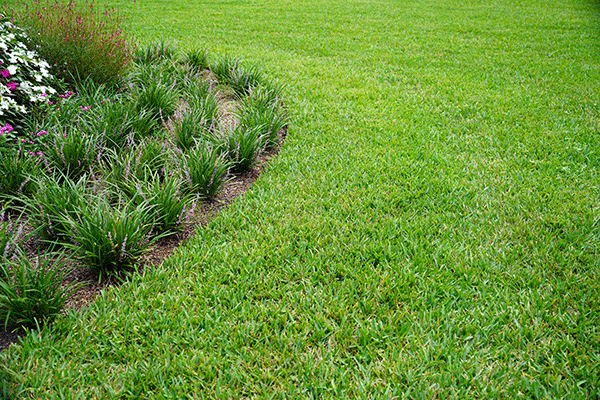
Residents can also reduce water use by incorporating Florida-Friendly Landscaping™ practices that emphasize drought-tolerant plants, improved soil health, and efficient irrigation methods.

Regional water managers will continue monitoring rainfall, groundwater levels, and river flows to determine whether additional conservation measures may be needed if dry conditions persist.

For more information about irrigation schedules, conservation tips, and reclaimed water, visit www.sjcfl.us/utilities.

Water Saving Tips

Follow these tips from the St. John County Utility Department and start conserving water both indoors and outdoors today!

Outdoors

Plant and Watering Tips

  • Water your plants deeply, but not as frequently to encourage deep root growth.
  • Plant in the Fall or Spring.
  • Use Florida-friendly plants. Watch our Florida-Friendly Landscaping video.
  • Fertilize less often due to the increase in water consumption.
  • Water either early in the morning or late in the evening.
  • Proper lawn care can help you conserve water while keeping your lawn healthy and vibrant. Watch our Maintaining Your St. Augustine Grass video.
  • Use a hose nozzle.
  • Know where your shut-off valve is.

Check Your Irrigation Set Up

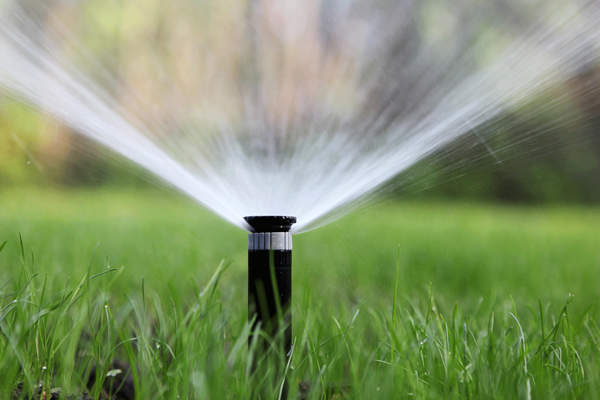
  • Check your irrigation system for leaks and adjust sprinklers so only your lawn is watered.
  • Have a rain sensor on your irrigation controller so your system won’t run when it’s raining. Watch our Rain Sensors video.

Indoors

Indoor Conservation Tips

  • Do not use running water to thaw food.
  • Soak your pots and pans rather than letting water run.
  • Teach all household residents to turn off taps all the way.
  • Check that your toilets are not leaking water. Watch our video on How to Identify a Toilet Leak
  • Turn off the water while brushing your teeth and shaving.
  • Consider replacing your outdated water appliances.
  • If you drop ice, put the ice cubes in your potted plants instead of in the sink.

Exceptions and Resources

New Landscaping

New landscaping may be watered every day for 30 days after installation. Run only those zones that water the new landscaping. You will be asked to provide proof establishing the start of the 30-day period.

Lawn Care Chemicals, Repairs, and Hoses

  • Apply lawn care chemicals (fertilizer, pesticides, insecticides, herbicides, fungicides) as directed by the manufacturer or following best management practices.
  • Repair and/or maintain the irrigation system. Watch our Sprinkler Heads video.
  • Watering with a hand-held hose with a shutoff nozzle.

Reclaimed Water

Like other water sources, a limited amount of reclaimed water is available to customers to irrigate lawns and landscapes. Proper use by all reclaimed water customers will help ensure the continued availability of this resource. Visit the St. Johns County Reclaimed Water Page below to learn more.

Citations

St. Johns County may issue a citation for the following:

  • Irrigating outside of designated watering days and/or times.
  • Leaks in the irrigation system.
  • Over-watering that causes significant runoff into adjacent properties or right-of-way.
  • Watering after significant rainfall (a functioning rain sensor is required by Florida law).

St. Johns River Water Management District (SJRWMD)

Environmental Protection Agency (EPA) and Florida Water Star

Every Drop Counts!

Conserve Water for a Better Tomorrow!