

Community Voices to Shape Future Habitat Conservation Plan in St. Johns County
- 21 September 2026
- Category: Enhance Conservation SJC News
- Tags: 2026
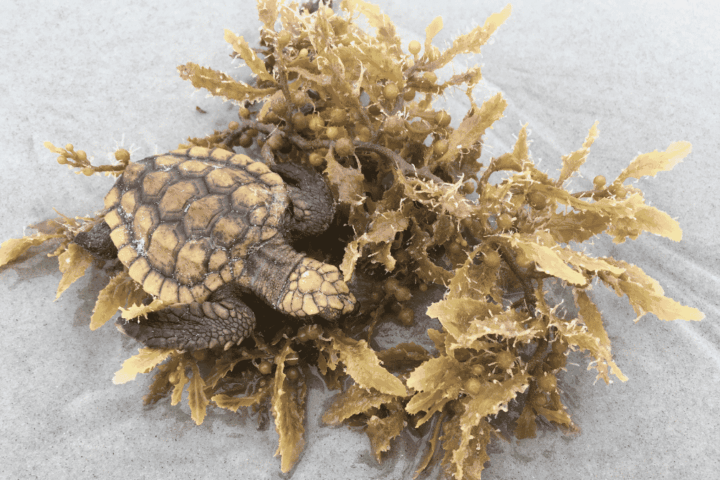
More than 1,000 residents and stakeholders responded to a public survey on beach management and conservation efforts.
Key Points
- The Habitat Conservation Plan (HCP) helps St. Johns County balance public beach access with the protection of wildlife and the natural habitats they depend on.
- More than 1,000 people responded to a county survey seeking community input on current beach management practices and conservation efforts.
- Survey feedback will help guide the County’s HCP renewal process with the U.S. Fish & Wildlife Service and inform potential updates to the program and related beach management practices.
St. Johns County is using community feedback to help guide the renewal of its Habitat Conservation Plan (HCP), which supports both public access to County beaches and the protection of federally listed species and their habitats. The Office of Public Affairs produced a video to highlight the program. (All animal handling and footage obtained under proper FWC and USFWS permits).
As part of the renewal process, the County developed a public survey in January 2026 to better understand what residents and other stakeholders value about current beach management practices. More than 1,000 responses were received, with strong support for the County’s conservation efforts.
“The goal of our HCP is to maintain our beautiful beaches as habitat for wildlife while also allowing them to be utilized by our residents and visitors,” said Ashley Raybould, St. Johns County Environmental Supervisor.
The HCP helps protect federally listed endangered species, including nesting sea turtles and native beach mice, while supporting public use and enjoyment of St. Johns County beaches. Current conservation and beach management efforts under the HCP include:
- Allowing public and special-use beach driving, including access for commercial fishermen, North Beach 4×4 users, horseback riders, and authorized coastal construction activities.
- Training authorized drivers, including law enforcement, Marine Rescue, and County beach staff.
- Removing ruts and other obstacles in front of nests near their expected hatching dates.
- Closing beach gates each night after vehicles have been notified to leave.
- Enforcing the County’s coastal lighting ordinance, including inspections of new homes before certificates of occupancy are issued and regular surveys six nights per week during nesting season.
- Maintaining Conservation Zone areas to keep vehicles and pedestrians out of the dunes and support the continued growth of stabilizing dune vegetation.
- Assisting state agencies with marine wildlife stranding response.
- Assisting and supporting state agencies with population monitoring efforts for sea turtles and beach mice.
The current 20-year Habitat Conservation Plan (PDF) and associated Incidental Take Permit (PDF) were approved in August 2006 and are due for renewal this year. The County will use community feedback to help identify potential updates as it works with the U.S. Fish & Wildlife Service to develop the next plan.
“The survey is helping us evaluate our priorities as we move through the renewal process,” said Raybould. “Importantly, it gives the community a voice in determining how we can continue to protect our natural resources while maintaining the public access that people value.”
Some of the survey results in support of the program included:
- Support for nighttime beach driving restrictions during marine turtle nesting season (91%),
- Support for maintaining the implementation of the coastal lighting ordinance (90%),
- Support for increasing public education and signage about wildlife (94%),
- Support for maintaining a conservation zone free of encroachment for dune protection (91%), and
- Support for restrictions on beach furniture/equipment left overnight (85%).
Regarding improvements for the program, a high number of comments (>80) discussed a desire for stronger enforcement of existing conservation measures and increasing access to off-beach public parking.
Overall, the survey reflects a community that is highly engaged, broadly supportive of conservation, and eager to see effective, fair, and transparent management of its coastal resources. Public input suggests that future success of the HCP will depend less on changing its fundamental goals and more on strengthening implementation, enforcement, education, and ongoing public engagement.
Public feedback will help the County evaluate potential updates and improvements to the Habitat Conservation Plan and related beach management practices, ensuring future strategies reflect both environmental stewardship and community values. This work supports the St. Johns County Strategic Plan priority to Enhance Conservation.
For more information, visit the Habitat Conservation Plan webpage.
Stay informed of more St. Johns County news by subscribing to our e-newsletters and learn how we’re shaping our community’s future by advancing the SJC Strategic Plan through the Office of Public Affairs.
Share:


