


SJC Completes $1.6 Million Capital Improvement Project at Plantation Water Treatment Plant
- 30 June 2026
- Category: Infrastructure SJC News
- Tags: 2026
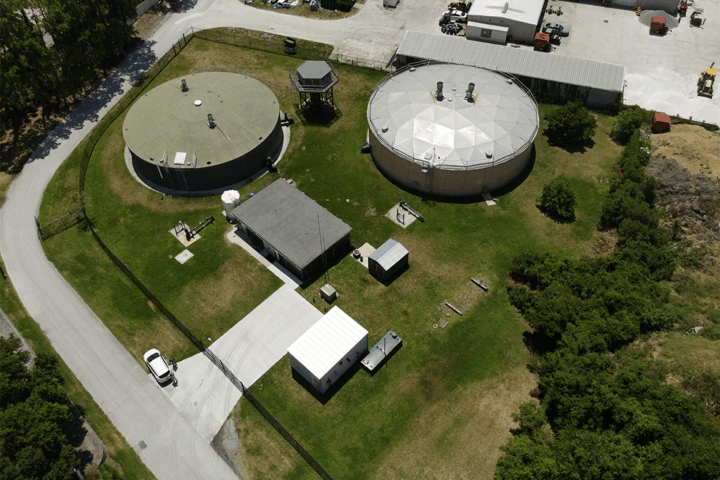
New aerator structure improves reliability and supports long-term drinking water service
Key Points
- The St. Johns County Utility Department completed a $1.624 million capital improvement project at the Plantation Water Treatment Plant to enhance the reliability and resiliency of the drinking water system in Ponte Vedra Beach.
- The project replaced an aging aerator structure with a new reinforced concrete facility and corrosion-resistant aluminum aerator designed to reduce maintenance and support long-term operation.
- The Plantation Water Treatment Plant remained operational throughout construction, allowing SJCUD to complete the infrastructure upgrade while maintaining uninterrupted water service to customers.
The St. Johns County Utility Department (SJCUD) recently completed a $1,624,350 capital improvement project at the Plantation Water Treatment Plant in Ponte Vedra Beach, enhancing the reliability and resiliency of the drinking water system for years to come. The Office of Public Affairs produced a video highlighting this important project.
A key component of the project was the replacement of the plant’s aging aerator structure with a new reinforced concrete facility designed to withstand hurricane-force winds and support long-term operation in the coastal environment.
An aerator is a piece of equipment that mixes air with water to remove naturally occurring hydrogen sulfide gas from well water. While hydrogen sulfide does not pose a health concern, removing the gas improves the aesthetic quality of drinking water by eliminating the “rotten egg” odor sometimes associated with well water.
The previous metal structure, which was more than 40 years old, had reached the end of its service life due to years of exposure to hydrogen sulfide and salt, which contributed to corrosion. SJCUD acquired the structure approximately 20 years ago. Following an inspection in 2024 that found the structure to be in an advanced state of deterioration and beyond rehabilitation, SJCUD determined that replacement of both the structure and aerator was the best long-term solution.
The new facility includes an aluminum aerator that is resistant to hydrogen sulfide corrosion. Unlike the previous structure, the new system does not require ongoing blasting and repainting to address corrosion, reducing future maintenance requirements while strengthening the resiliency of the County’s water treatment infrastructure.
“One of our top priorities is maintaining reliable service for our customers while proactively replacing aging infrastructure before failures occur,” said Alan Flood, Senior Engineer for the St. Johns County Utility Department. “Completing this project while keeping the plant operational demonstrates the dedication of our staff and project partners.”
Most importantly, the Plantation Water Treatment Plant remained operational throughout construction. The new structure, along with associated piping and valves, was installed while the existing aerator continued operating. Although several short-term outages were required to complete the work, the plant continued providing water service to customers throughout the project.
The successful completion of the project reflects the teamwork and dedication of plant operators, pipeline personnel, engineers, and contractors who worked together to deliver the improvement while maintaining uninterrupted service to customers. As a vital component of providing drinking water to the Ponte Vedra Beach community, the Plantation Water Treatment Plant helps ensure reliable service for years to come.
This project supports St. Johns County’s Strategic Plan by investing in resilient infrastructure, delivering high-quality public services, and responsibly stewarding resources to meet the needs of current and future resident.
Stay informed of more St. Johns County news by subscribing to our e-newsletters and learn how we’re shaping our community’s future by advancing the SJC Strategic Plan through the Office of Public Affairs.
Share:


